Posted in 6 - February 18

Visiting Tohoku University

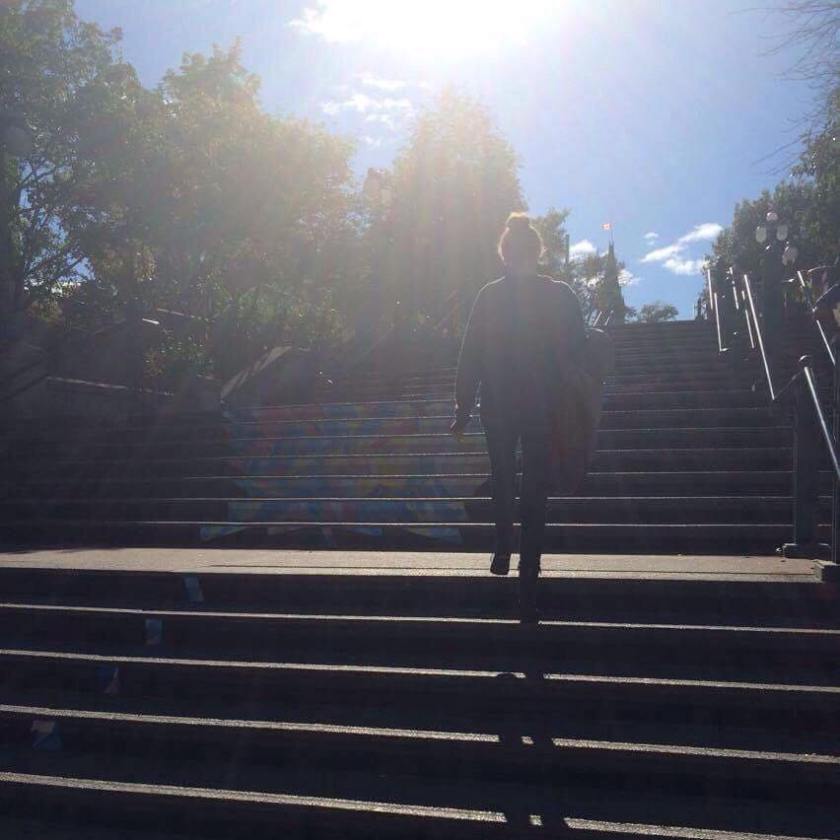
On February 18, we went to Tohoku University, one of the most prestigious universities in Japan, for a campus tour and a cultural exchange with the students.

Tohoku university has an impressive campus (as well as impressive students!) and I have to say their biggest library is on point! It’s so well organized and designed, I wish I could study there everyday.

I can’t wait for the students we met to visit us in Canada as well!

Posted in 6 - February 18

Sun Mall

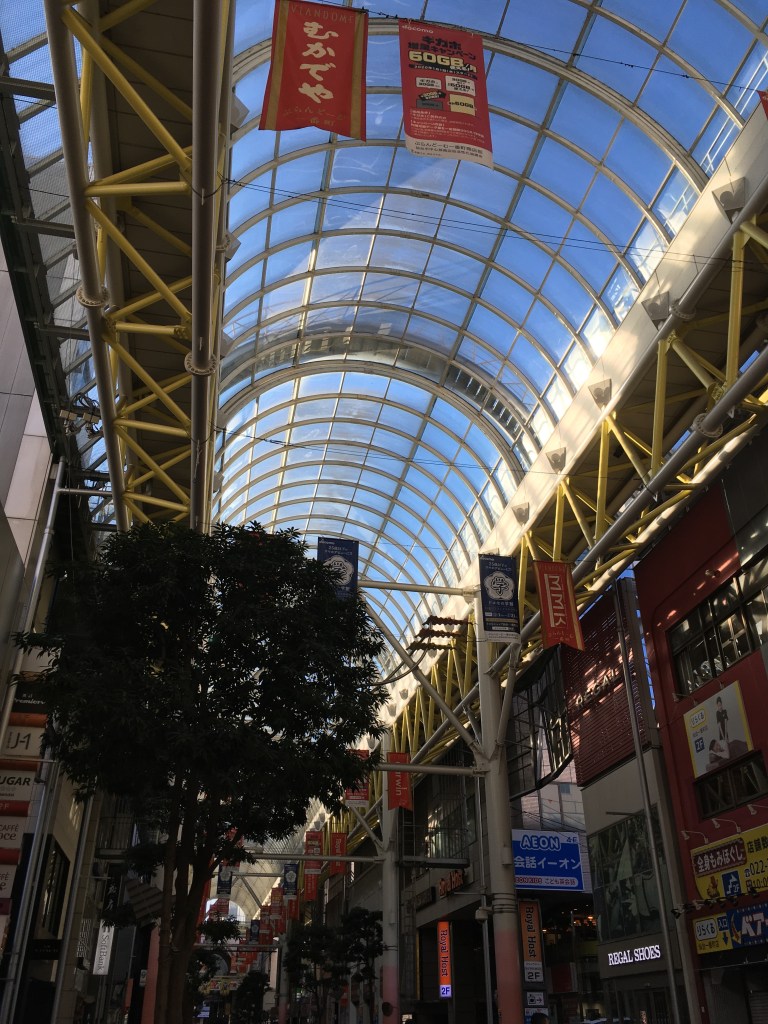
In Sendai, we went for an early morning walk along the many streets composing Sun Mall, like Marble Road and Clis Road.

Most of the shops were closed, but we went shopping later in the night a few days after. I got a lot of delicious snacks!

Posted in 5 - February 17

Heading to Sendai

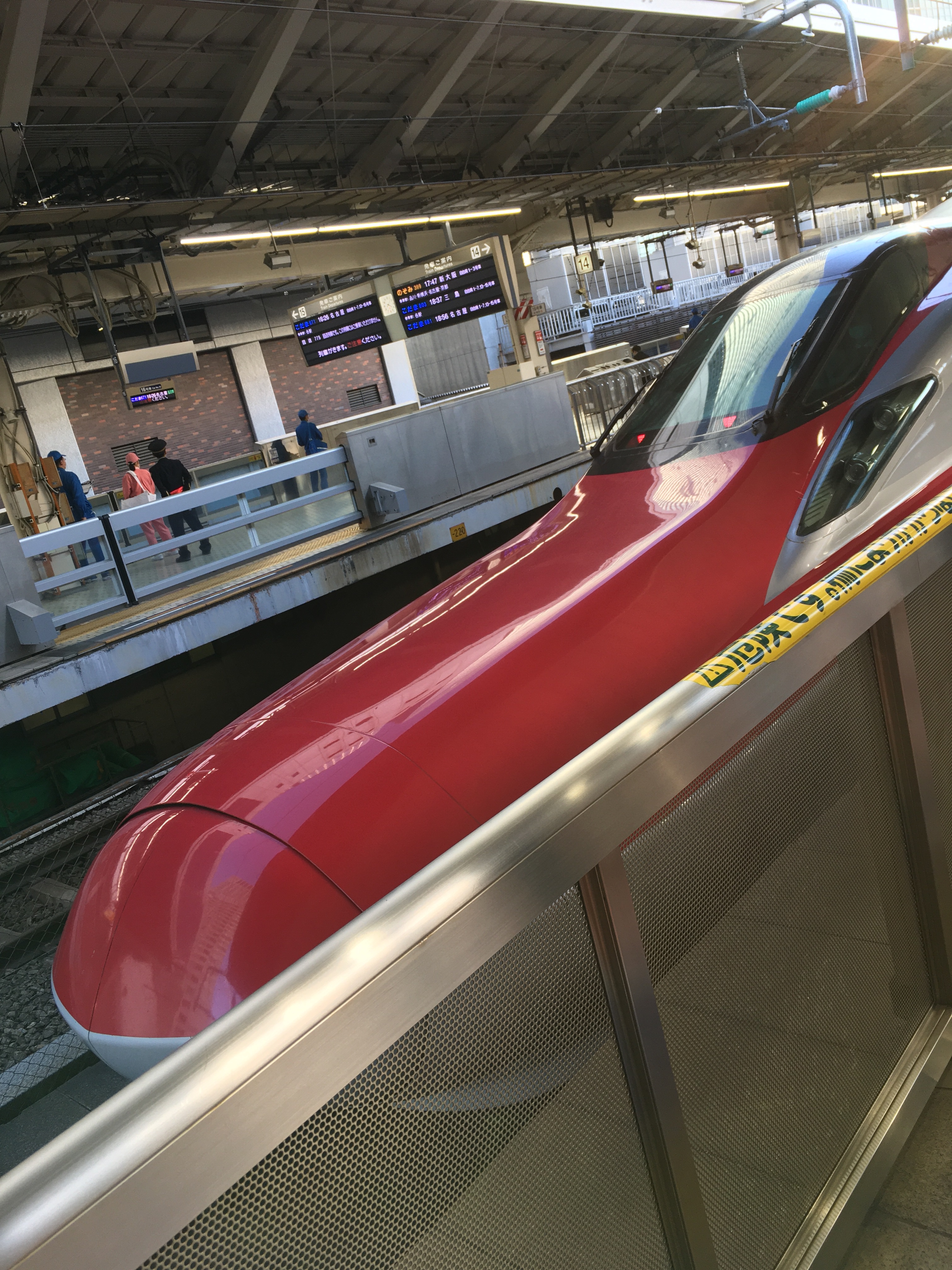
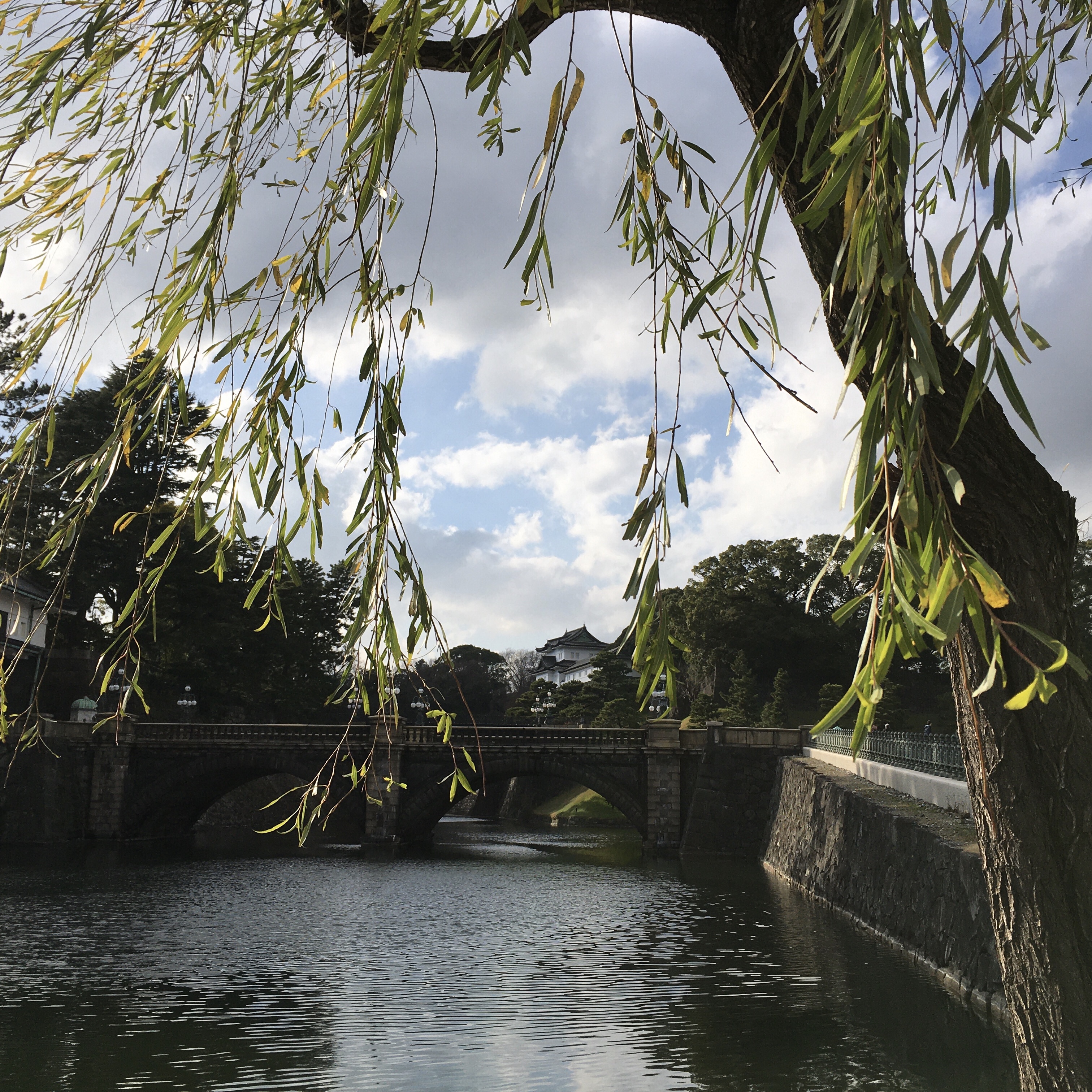
After visiting the Imperial Palace, we took the shinkansen (bullet train) to head to Sendai!

The train has been my favorite mode of transportation since I was a child, so I was very excited to take the shinkansen. I was not disappointed. It must have been the best train ride of my life. The ride was so smooth and quiet, it was hard not to let myself be lulled to sleep.

Posted in 4 - February 16

Exploring Akihabara

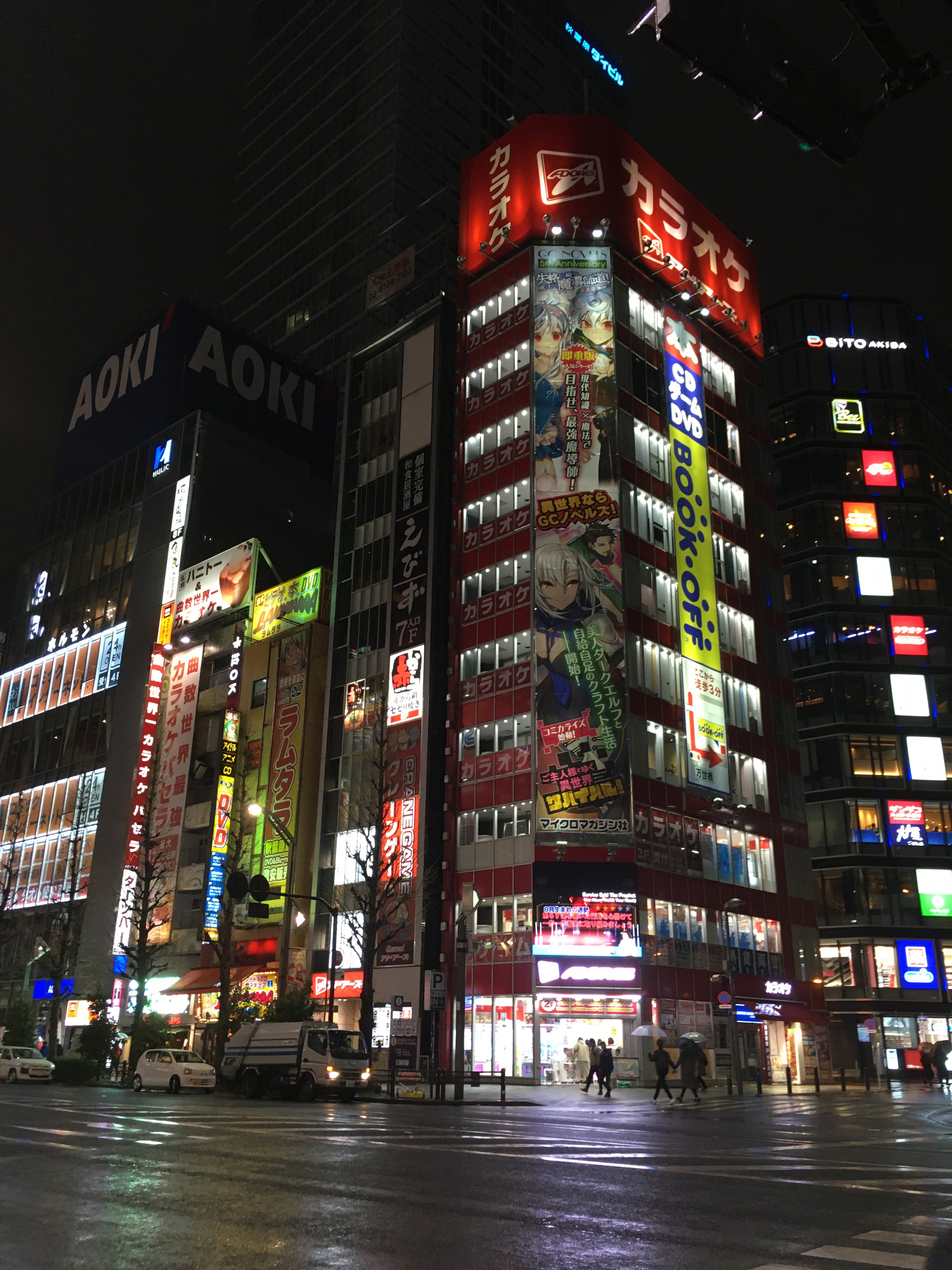
Even on a rainy day, Akihabara was bustling with energy.

Before heading out, we visited some conbini nearby our hotel and believe me when I say Japan has mastered the art of the convenience store. After stacking up on snacks, we walked to the nearest metro station.

Taking the metro from our hotel to Akihabara was, by far, way easier than I thought it would be. The staff at the station were super helpful and maps are translated in English, making navigation for foreigners a walk in the park. Just remember to keep your ticket to be able to exit the station!

We explored Akihabara in a small group, walking around from store to store, taking in the impressive luminous sights. Book lovers who don’t speak Japanese: I’d suggest you prepare yourself mentally for the sadness that will strike you once you realize you cannot read anything in the 6-storey bookstores you’ll find there.

We headed back to the hotel eventually, our feet hurting from walking, but very satisfied of our day. Needless to say I slept well during night!

Posted in 3 - February 15

Departure Day

Our first flight from Ottawa to Toronto was at 9:00 AM on the morning of February 15. We left the Toronto airport for Japan a few hours later.

We landed in Haneda airport, in the middle of a rainy Tokyo, after a 14-hour long flight. It was 4 PM.

Taking in the sights of Tokyo as we rode the bus to the hotel was an experience in itself, but walking around the city later was amazing. The first thing that strikes you is how clean and organized the city is.

At the hotel, we were offered bento for dinner and were invited to explore the city in small groups, as long as we came back to the hotel by 11PM. The little group I joined decided to go to Akihabara!

Posted in 2 - Orientation Day

Orientation Day

Orientation Day was on the January 9th at the Embassy of Japan in Ottawa. Students from the University of Ottawa and Carleton University were present. Students from the University of Toronto and from the United States that will be attending the trip as well likely had their orientations closer to home.

Prior to Orientation Day: The Participant’s Handbook

Prior to Orientation day, I received a participant’s handbook through email from the Asia Pacific Foundation of Canada. I read it before the Orientation Day as instructed and encourage all future participants to do the same as the information you receive during Orientation Day serves to clarify the material presented in the handbook.

The Meeting

Although it is called an orientation day, it was actually a conference-type meeting that lasted about 2 hours. We (the participants) were presented with useful information starting with a crash course on Canada-Japan relations over the past 100 years; followed by information about the trip, such a potential itinerary, how to dress, what to bring, health and security measures, a few important Japanese customs (so you don’t completely mess up in Japan) and expressions, etc.

Finally, after the meeting, we were given the opportunity to get to know each other over some tea, juice and snacks!

After Orientation Day: Online Mandatory Pre-Departure Training

After Orientation Day, I received an email from my university to inform me that the online mandatory pre-departure training was now available for me to complete. I have until February 3rd to do the training.

What about “The Feels”?

I put this capsule at the end because I know it’s not everyone that’s interested in the feelings of a university student, so I would rather separate the “factual” information from the “emotional” information.

I have to admit I was very anxious about the trip prior to Orientation Day because I didn’t know what to expect, especially when it came to the people. I read we would be sharing rooms (two or three people by room) in the handbook and I was kind of scared at the idea of having to share my room with a complete stranger. What if they were really mean, right?

However, after the meeting, all my worries were pretty much put to rest. Every question I had was answered during the presentations or during the question period at the end and exchanging with the other participants also put me at ease. People came from various backgrounds and had different reasons for applying to the project, but what everyone had in common is that they were extremely friendly (not in a creepy way, though, I promise). Of course, I haven’t yet met the students from the University of Toronto or from the United States that will be travelling with us, but I’m no longer worried that they’ll be just as friendly.

Posted in 1 - Application Process

Signing up for the Kakehashi Project

November 7th, 2019, I received an email from the International Office of the University of Ottawa. It’s thanks to that email, which introduced me to the project, that I have the opportunity to leave for Japan on February 15th, 2019. So, how did I sign up exactly? This post will serve as a little guide for future applicants. Hopefully, the procedure remains the same across universities.

Opening of the application process

You should receive an email from your university around the month of November to tell you that the application process for the Kakehashi project is now open. If you do not receive the email (I am yet to discover why some students do not receive it) , ask around, especially students from other faculties, and from other years. Not receiving the email does not mean you are not eligible, I know this from experience. A friend of mine did not receive the email and still got chosen as a participant after I forwarded it to him.

Filling out the application form

The email I received from my university contained a link to the application form, which I filled out. The form contains a number of questions that aim to evaluate you as a candidate. Do not worry! They won’t ask you to recite the history of Japan, but they may ask you what is your interest in the project. As an indicative, it took me about 25 minutes to fill out my application (although I am quite slow). Make sure you have your passport in hand and the proper version of the Letter of Understanding!

The Letter of Understanding is a document you must sign and submit with your application. It should be available on your university’s website and will be the last two pages of a PDF document detailing the project. For future uOttawa applicants, you can find the link to that document here, when the application session is open (around November). Once again, make sure you are signing the latest version of the Letter of Understanding, and not the one of previous years, or your application may be rejected.

Screening by the university

The email I received from the university also explained that once I was done filling out my application and that I submitted it to the Asia Pacific Foundation of Canada, I should send them a copy, along with scans of the Letter of Understanding and my passport. From my understanding, this is because the university will screen out participants before the Asia Pacific Foundation evaluates your application. I sent my copy and my scans to the email address specified in the email and received an acknowledgement of receipt a few days later.

If you are nominated by your university as a participant for the project, you should receive an email telling you so. The University of Ottawa has a specific date on which it should send out replies to the nominees, however, the International Office is quite busy and it might be a few days late with replies. The University of Ottawa did not send emails to people that were not nominated when I applied for the project.

Screening by the foundation

Once you are nominated by your university as a participant, you will be asked to wait for an email from the Asia Pacific Foundation. If you are selected as a participant, you will receive an email from the foundation a few weeks after the university screening is done. I received my email towards the middle of December.

Next steps

You were selected, you are overjoyed, now what? In your email from the Asia Pacific Foundation, you will be informed that you will have to participate to a mandatory orientation day. You will receive yet another email a few days after, giving you the details of that orientation day (date, time, location).

It is very important you reply to that last email, confirming your continued interest in participating in the project and your attendance at the Orientation Day. Once you have replied, your application process is officially done and the Orientation Day awaits!
Checklist – Kakehashi project application process

  1. Receive an email from your university (or from a friend) telling you the application process for the Kakehashi project is now open.
  2. Find the application form and the latest version of the Letter of Understanding.
  3. Fill out the application form and submit it along with scans of your signed copy of the Letter of Understanding and your passport.
  4. Send a copy of your application form and your scans to your university.
  5. Hopefully, receive an email from your university, telling you you have been nominated as a participant.
  6. Hopefully again, receive an email from the Asia Pacific Foundation, telling you you have been chosen as a participant.
  7. Receive an email from the Asia Pacific Foundation giving you the details of the Orientation Day.
  8. Reply to the foundation’s email, confirming your continued interest in participating in the project and your attendance at the Orientation Day.